
Water Damage Insurance Claims Help
Filing an insurance claim after water damage can feel like a second job on top of dealing with the damage itself — understanding what's covered, documenting everything correctly, and communicating with an adjuster all take time you may not have. Getting this part right affects whether a claim goes smoothly or turns into a drawn-out dispute.
We connect Plano homeowners with local restoration partners who document damage thoroughly as part of the cleanup process, which can meaningfully support a claim, alongside general guidance on what to expect from your insurer.
Call (469) 277-7924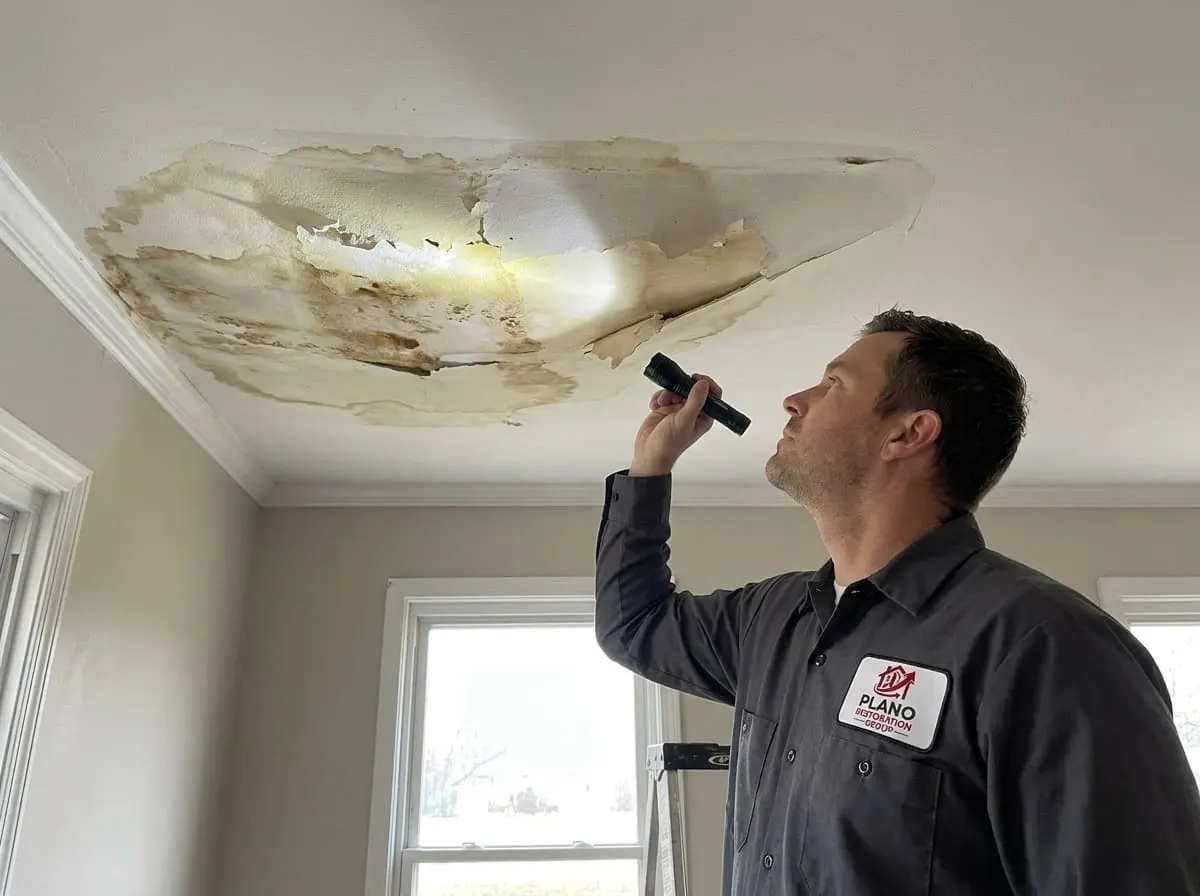
What's Typically Covered — and What Often Isn't
Sudden, accidental water damage — like a burst pipe or a water heater that suddenly fails — is commonly covered under a standard homeowners policy. Gradual damage from a long-running leak, such as an undetected slab leak that ran for weeks, is often treated differently and may be covered only partially or not at all, since insurers generally expect homeowners to maintain their plumbing. Flood damage from outside water sources, like storm runoff or creek overflow, typically requires separate flood insurance.
Why Documentation Matters So Much
Photos and video of the damage taken as soon as it's safe to do so, a record of when the damage was discovered, and detailed notes from the restoration crew on affected materials and moisture readings all strengthen a claim. Adjusters rely heavily on this documentation to determine both coverage and payout, so gaps or delays in documenting damage can slow the process or reduce what's approved.
How a Restoration Partner Supports Your Claim
The licensed, insured restoration partners we dispatch typically document the scope of damage as part of the cleanup itself — moisture readings, photos, and a record of what materials were removed and why. Many partners are also familiar with working alongside insurance adjusters and can provide the kind of detailed reporting that supports a claim, though the claim decision itself always rests with your insurance company.
Common Claims Complications in Plano
Slab leak claims are a frequent source of disputes locally, since insurers often want to determine whether a leak was sudden or gradual before approving coverage — a distinction that can be hard to prove without early documentation. Storm-related claims after a major hail event can also see delays simply due to high claim volume across the region.
Steps to Take Before the Adjuster Arrives
Photograph the damage before any cleanup begins if possible, keep receipts for any emergency mitigation steps you take, and avoid discarding damaged materials until your adjuster or restoration partner has documented them. This preserves the evidence an adjuster needs to make a fair coverage determination.
Frequently Asked Questions
Will my claim be denied if a slab leak ran for a while before I noticed it?
It's possible — many policies distinguish between sudden and gradual damage, and a slab leak that ran undetected can fall into a gray area. Documentation of when you discovered it and what steps you took can help support your case.
Should I call my insurance company or a restoration crew first?
In an active emergency, call for extraction first to stop the damage from spreading, then notify your insurer as soon as reasonably possible. Most policies expect prompt mitigation, and restoration crews can document the damage as part of that response.
Do I have to use the restoration company my insurer recommends?
In most cases, homeowners have the right to choose their own restoration provider rather than being limited to an insurer's preferred list, though it's worth confirming this with your specific policy and state regulations.
What if the adjuster's estimate seems too low?
You can request a re-inspection or provide additional documentation, such as detailed moisture readings or a second contractor estimate, to support a higher assessment if you believe the initial estimate missed damage.
Does flood damage need a separate insurance policy?
Generally yes — standard homeowners policies typically exclude flooding from outside water sources like storm runoff or creek overflow, which requires a separate flood insurance policy to be covered.
Get documentation-ready help with your claim — call (469) 277-7924 today.
Call (469) 277-7924