
Kitchen Fire Cleanup in Plano, TX
Kitchen fires are the most common cause of house fires nationally, and they can go from a small stovetop flare-up to a room full of soot and smoke damage in just a few minutes. Even a fire that's put out quickly often leaves behind sticky protein residue, scorched cabinetry, and smoke odor that spreads well beyond the kitchen itself.
Plano Restoration Group connects Plano, TX homeowners with local restoration partners experienced specifically in kitchen fire cleanup, from grease fire residue to smoke that has traveled into adjoining living spaces. Call (469) 277-7924 for 24/7 response.
Call (469) 277-7924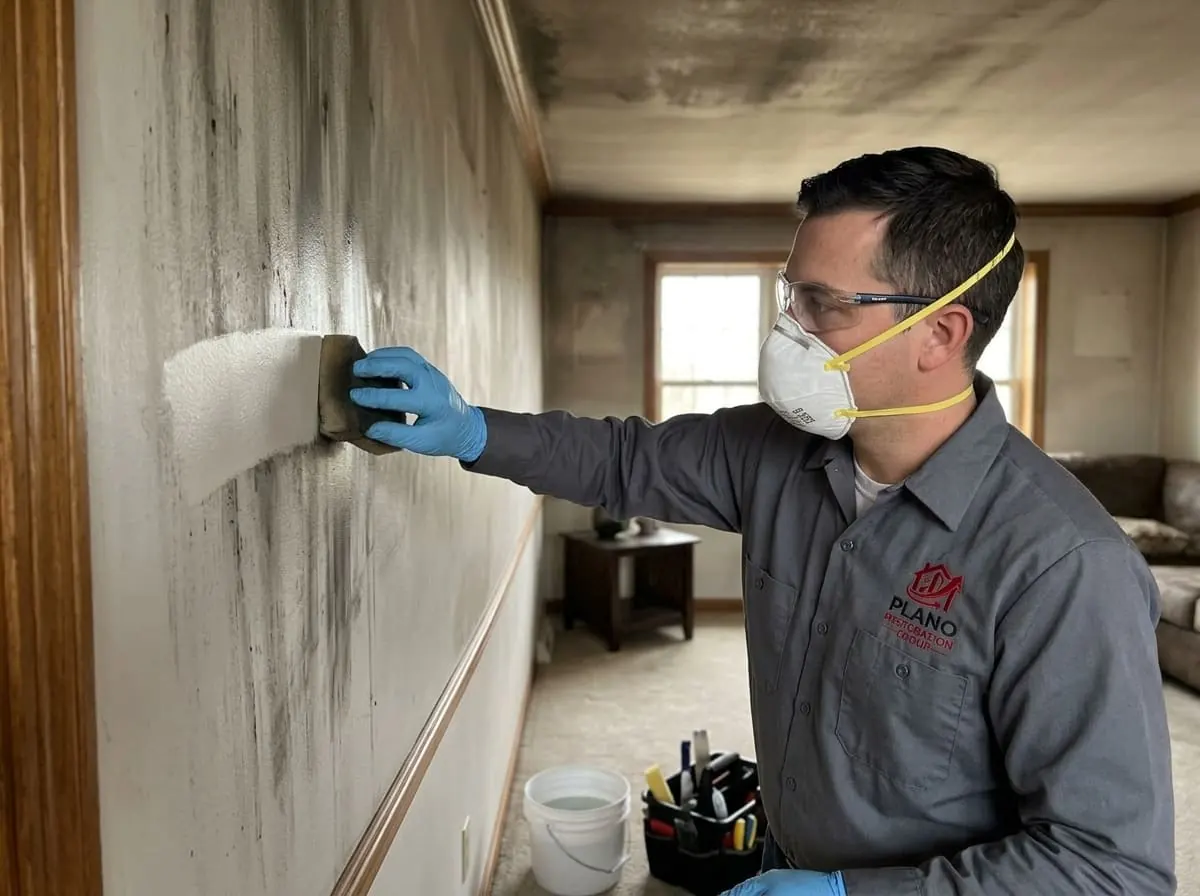
Why Kitchen Fires Create Unique Cleanup Challenges
Grease and cooking fires produce a specific type of residue that behaves differently from other smoke damage. Protein residue, left behind when food or grease burns, is often nearly invisible on surfaces but carries an intense, persistent odor. It also tends to be more chemically stubborn than dry smoke residue, requiring specialized cleaning solutions rather than general-purpose soot removal methods. Cabinets, countertops, and appliances near the fire's origin usually need close inspection since heat and grease residue can damage finishes even where visible charring is minimal.
Common Areas Affected in a Kitchen Fire
Beyond the immediate area of the fire, kitchen fires commonly affect upper cabinets and range hoods, where heat and smoke concentrate; countertops and appliance surfaces, where grease residue settles; and ceiling and wall areas directly above the stove. In open-concept homes, which are common in newer Plano construction, smoke from a kitchen fire can travel quickly into connected living and dining areas, meaning the cleanup scope often extends beyond the kitchen itself.
The Kitchen Fire Cleanup Process
The restoration crews we dispatch typically begin by assessing which cabinets, appliances, and fixtures are salvageable versus needing replacement. Surfaces are cleaned using solutions designed to cut through grease-based residue, and range hoods and exhaust ductwork are inspected since grease fires often leave residue trapped inside ventilation systems. If the fire damaged wiring near appliances, that's flagged for a licensed electrician's review before the kitchen is considered safe to use again.
Getting Your Kitchen Back to Everyday Use
For most households, the kitchen is one of the most-used rooms in the home, which makes a fast, thorough cleanup especially important. Beyond the visible cleanup, addressing lingering odor in cabinets and around appliances is a key part of making the space feel normal again, since grease-based smoke odor has a tendency to resurface in warm, humid conditions if it isn't fully treated.
Frequently Asked Questions
Can my cabinets be saved after a grease fire, or do they need to be replaced?
It depends on the extent of charring and heat exposure. Cabinets with surface soot and minor scorching can often be cleaned and refinished, while cabinets with significant charring or heat warping typically need replacement. The restoration crew handling your cleanup will assess this cabinet by cabinet.
Why does my kitchen still smell like smoke after I've wiped everything down?
Protein-based residue from grease and food fires can be nearly invisible but still carries a strong odor, and it tends to settle into porous materials like wood cabinetry. Surface wiping often isn't enough; professional deodorization is usually needed to fully clear the smell.
Do I need to replace my range hood after a kitchen fire?
Not always. Range hoods and exhaust ductwork should be inspected for grease residue and heat damage, since they can trap odor-causing residue even when the exterior looks clean. Whether it needs cleaning or replacement depends on the extent of the damage found during inspection.
Is it safe to use my kitchen appliances after a fire?
Not until they've been inspected, especially if the fire involved or was near an electrical appliance. Heat exposure can damage wiring and internal components in ways that aren't visible from the outside, so appliances near the fire's origin should be checked before use.
How long does kitchen fire cleanup typically take?
A contained kitchen fire with limited spread can often be cleaned within a few days, while fires that damaged cabinetry, appliances, or spread smoke into adjoining rooms take longer. Your restoration crew can give you a more specific timeline after their initial assessment.
Get your kitchen cleaned up and odor-free. Call (469) 277-7924 for kitchen fire cleanup crews serving Plano, TX.
Call (469) 277-7924