
Attic Mold Removal
Attics are one of the most common places mold turns up in Plano homes, often discovered by chance during a roof inspection, an insulation upgrade, or a home sale walkthrough rather than by smell or sight from inside the living space. By the time it's noticed, growth has frequently spread across a wider area of roof decking or rafters than a homeowner would expect.
Plano Restoration Group connects you 24/7 with licensed, insured local partners who handle attic mold removal, from initial assessment through containment and cleanup, tailored to the tight, hard-to-access conditions attics present.
Call (469) 277-7924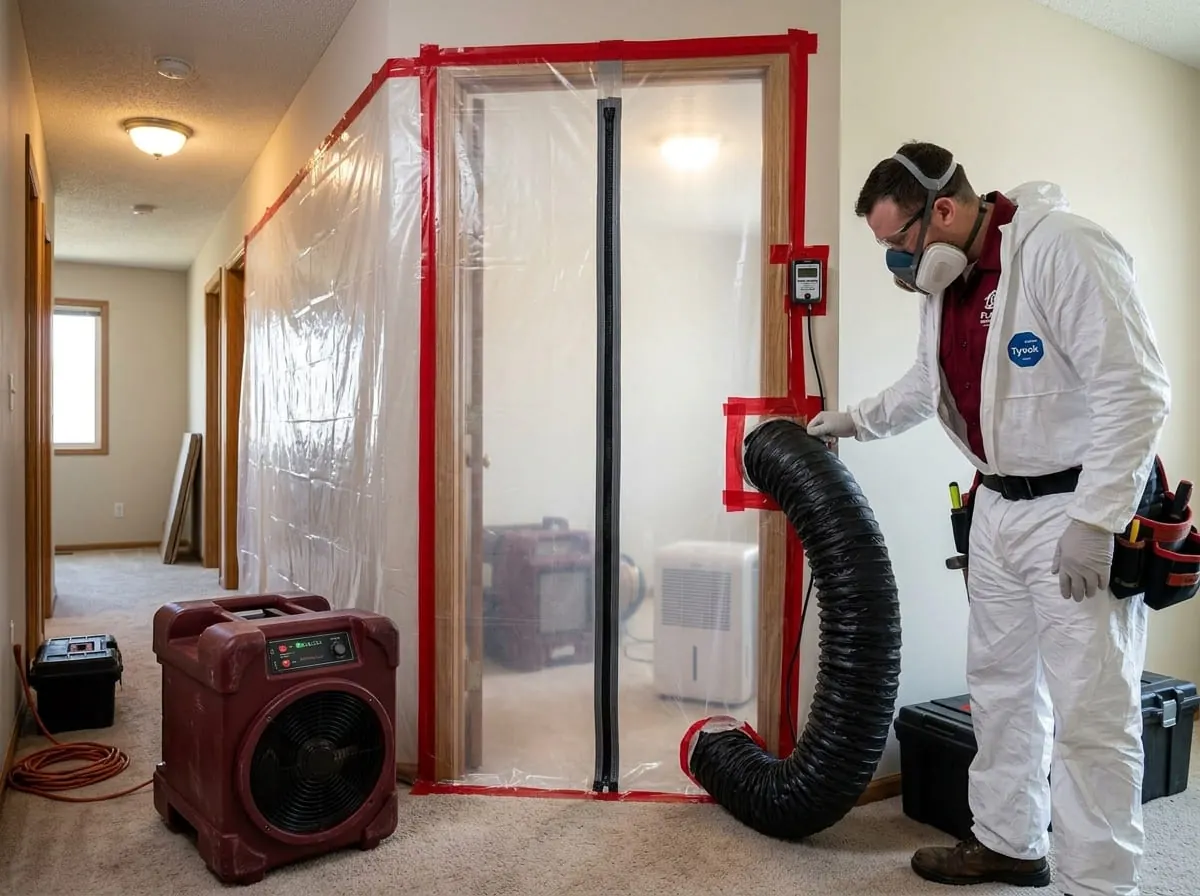
Why Attics Are Prone to Mold in North Texas
Plano's hot, humid summers push attic temperatures and humidity levels higher than almost any other part of the home. Add a roof leak from hail or storm damage, poor ventilation, or an HVAC unit located in the attic that develops a condensation drip, and you have the moisture mold needs to establish itself on wood decking and rafters. Because Collin County sees frequent severe hail and storm activity, roof damage that lets moisture into the attic is a realistic scenario for many Plano homes, sometimes going unnoticed for a season or more.
Common Sources of Attic Moisture
The most frequent culprits our partners encounter include roof leaks around flashing, vents, or storm-damaged shingles; condensation from attic-mounted HVAC units and their duct connections; inadequate soffit or ridge ventilation that traps humid air; and, less commonly, bathroom exhaust fans vented into the attic space instead of outside. Identifying which of these is at play is a key part of the assessment, since removing mold without correcting the source simply invites it back.
How Attic Mold Removal Works
Given the confined space and often limited standing room, attic remediation typically starts with a thorough inspection to map the extent of growth and pinpoint the moisture source. Containment is set up to prevent spores from migrating into the home's living space through the attic access point or HVAC returns. Affected insulation is usually removed and replaced rather than treated, since wet or moldy insulation rarely cleans up effectively. Wood decking and rafters may be treated with an antimicrobial or, in more extensive cases, partially replaced. HEPA air scrubbing helps control airborne spores throughout the work.
Attic Mold's Connection to Roof and HVAC Issues
Because attic mold is almost always a symptom of a roof or HVAC problem, the licensed, insured mold remediation crews we dispatch coordinate the mold removal with whatever repair is needed to stop the moisture at its source — sealing a roof leak, correcting ventilation, or fixing a condensation issue with attic-mounted equipment. Addressing the mold without that repair step is unlikely to hold, particularly through another Texas summer.
Why Attic Mold Shouldn't Wait
Attic mold can spread across a wide area of roof decking before it's ever noticed, simply because most homeowners don't check their attic regularly. Left alone, it can also affect insulation performance and, over time, put stress on the structural wood it's growing on. Because attics run hot and humid for much of the Plano summer, growth already present tends to progress quickly. Getting it addressed once discovered — rather than putting it off until a more convenient time — keeps the job smaller.
Frequently Asked Questions
How do I know if I have mold in my attic if I never go up there?
Attic mold is often found during unrelated work — a roof inspection, insulation replacement, or a pre-sale home inspection. A musty smell noticeable near an attic access hatch, or visible staining on a bathroom or hallway ceiling near the attic space, can also be early signs worth having checked.
Is attic mold removal different from mold removal elsewhere in the house?
The core process is similar — inspection, containment, removal, and source correction — but attics present unique access and safety challenges due to tight spaces, insulation, and rafters. Materials like insulation are also more commonly replaced outright rather than cleaned, since moldy insulation is difficult to remediate effectively in place.
Will I need a new roof if I have attic mold?
Not necessarily. Many attic mold cases stem from a localized leak or ventilation issue that can be repaired without a full roof replacement. The scope depends on what the inspection finds — a roofing contractor may need to be involved alongside the mold remediation partner if the roof itself needs repair.
Can attic mold affect the air quality in the rest of my house?
It's possible for attic air, including any mold spores present, to migrate into living spaces through the attic access point, gaps around recessed lighting, or shared HVAC ductwork, which can affect overall indoor air quality. This is one reason containment during removal work is important, and it's worth mentioning to the partner assessing your home if you've noticed odors inside the house.
How much does attic mold removal cost?
Cost varies based on the size of the affected area, whether insulation needs full replacement, and whether roof or HVAC repairs are needed alongside the mold work. The partner dispatched to inspect your attic can provide a specific quote based on what they find.
Found mold in your attic, or a musty smell you can't place? Call Plano Restoration Group 24/7 at (469) 277-7924 to connect with a licensed, insured local attic mold removal partner.
Call (469) 277-7924