
Hardwood Floor Water Damage Restoration
Hardwood floors are especially sensitive to water, whether it comes from a slow slab leak underneath, a burst pipe nearby, or a spill or appliance leak that sat too long before anyone noticed. Cupping, warping, and discoloration can happen faster than most homeowners expect, and how quickly the water is addressed often determines whether the floor can be saved or needs replacing.
We connect Plano homeowners with local restoration partners experienced in drying and restoring water-damaged hardwood, or replacing sections that can't be salvaged.
Call (469) 277-7924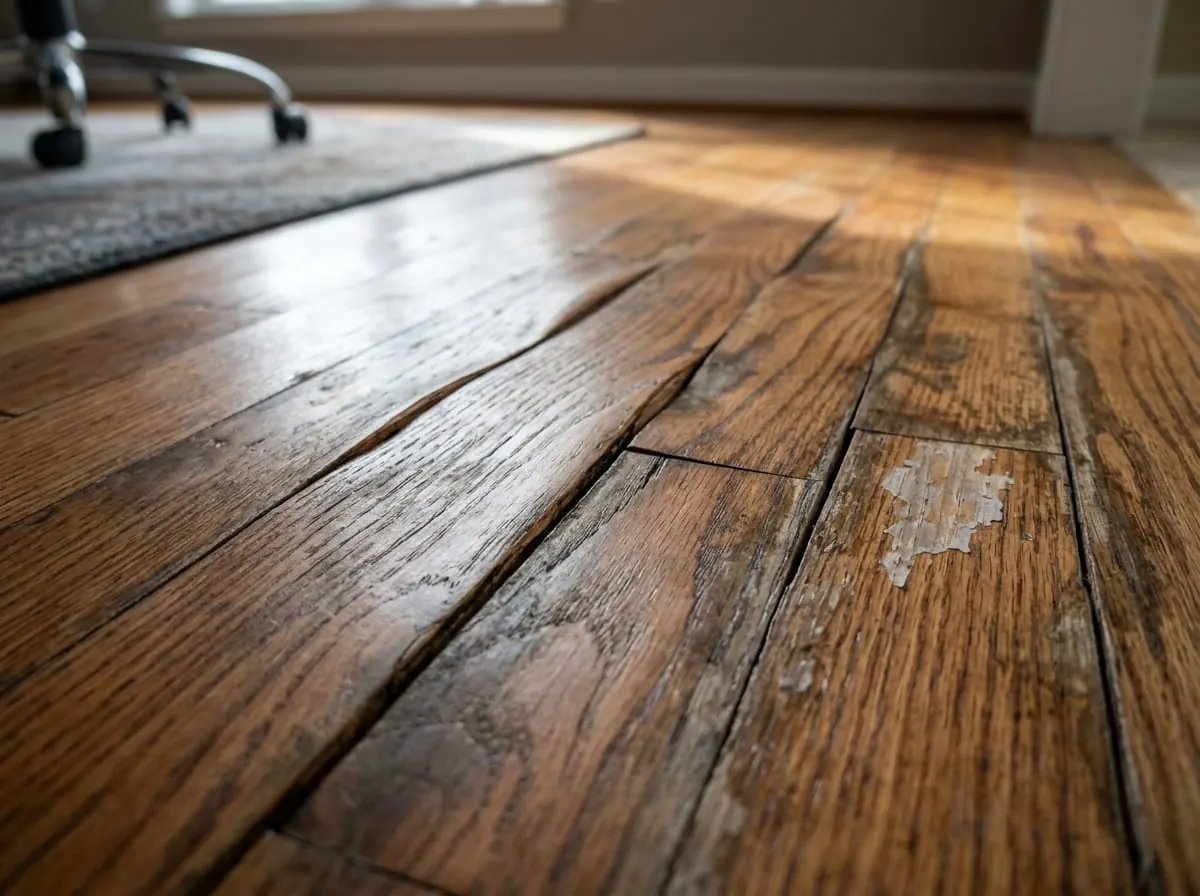
How Water Damages Hardwood Floors
Wood absorbs moisture unevenly, which causes boards to swell and push against each other — the cupping effect where board edges rise higher than their centers. Left wet long enough, boards can warp, buckle, or separate from the subfloor entirely. Because Plano homes are slab-on-grade, a slab leak can push moisture up into hardwood from underneath, which is often harder to spot early than damage coming from above.
Common Sources of Hardwood Water Damage in Plano
A slab leak under a hardwood-floored room is a frequent cause, since the moisture works its way up gradually and can affect a wide area before it's noticed. Appliance leaks in adjacent kitchens or laundry rooms, pet accidents left unaddressed, and burst pipes are other common triggers.
Can Water-Damaged Hardwood Be Saved?
It depends on how much water the wood absorbed and for how long. Floors caught early, with only surface moisture and minor cupping, often respond well to controlled drying using specialized equipment. Floors that have been wet for an extended period, or that show buckling and separation from the subfloor, more often need sections replaced.
The Drying and Restoration Process
The licensed, insured crews we dispatch typically use moisture meters to assess how deep water has penetrated the wood and subfloor, then set up specialized drying equipment designed for hardwood, which draws moisture out gradually to avoid further warping. Boards that can't be saved are removed and can often be matched and replaced by the same crew.
Why Timing Makes the Difference With Hardwood
Hardwood is less forgiving than many other flooring types — the window to dry it successfully before permanent warping sets in is often shorter than homeowners expect. Getting a crew assessing and drying the floor within the first day or two of discovering the leak meaningfully improves the odds of saving it.
Frequently Asked Questions
Can cupped hardwood flatten back out on its own?
Sometimes — if the moisture source is addressed quickly and the wood hasn't been wet for too long, boards can flatten as they dry out fully. Controlled drying equipment improves the odds compared to just letting a room air out.
How do I know if the water damage is coming from a slab leak?
Warped or cupped hardwood in a specific area, a warm spot on the floor, or a rising water bill can all point to a slab leak underneath. Our slab leak cleanup page covers detection in more detail.
Will I need to replace my entire floor?
Not always — restoration crews can often match and replace just the affected boards if the damage is localized and caught early, though widespread warping or a large affected area may call for a fuller replacement.
How long does hardwood drying take?
It depends on the extent of moisture penetration, but specialized hardwood drying often takes longer than drying other flooring types since wood releases moisture more slowly and needs careful monitoring to avoid new damage.
Don't wait on warped hardwood — call (469) 277-7924 for 24/7 drying and restoration help.
Call (469) 277-7924