
Fire & Smoke Damage Restoration Process: What to Expect
If you've never dealt with a house fire before, it's hard to know what happens next once the fire department leaves. Understanding the general sequence of a restoration project can make a stressful situation feel a little more manageable.
Plano Restoration Group connects Plano, TX homeowners with local restoration partners who follow a structured process from initial inspection through final repairs. Call (469) 277-7924 to get that process started for your home.
Call (469) 277-7924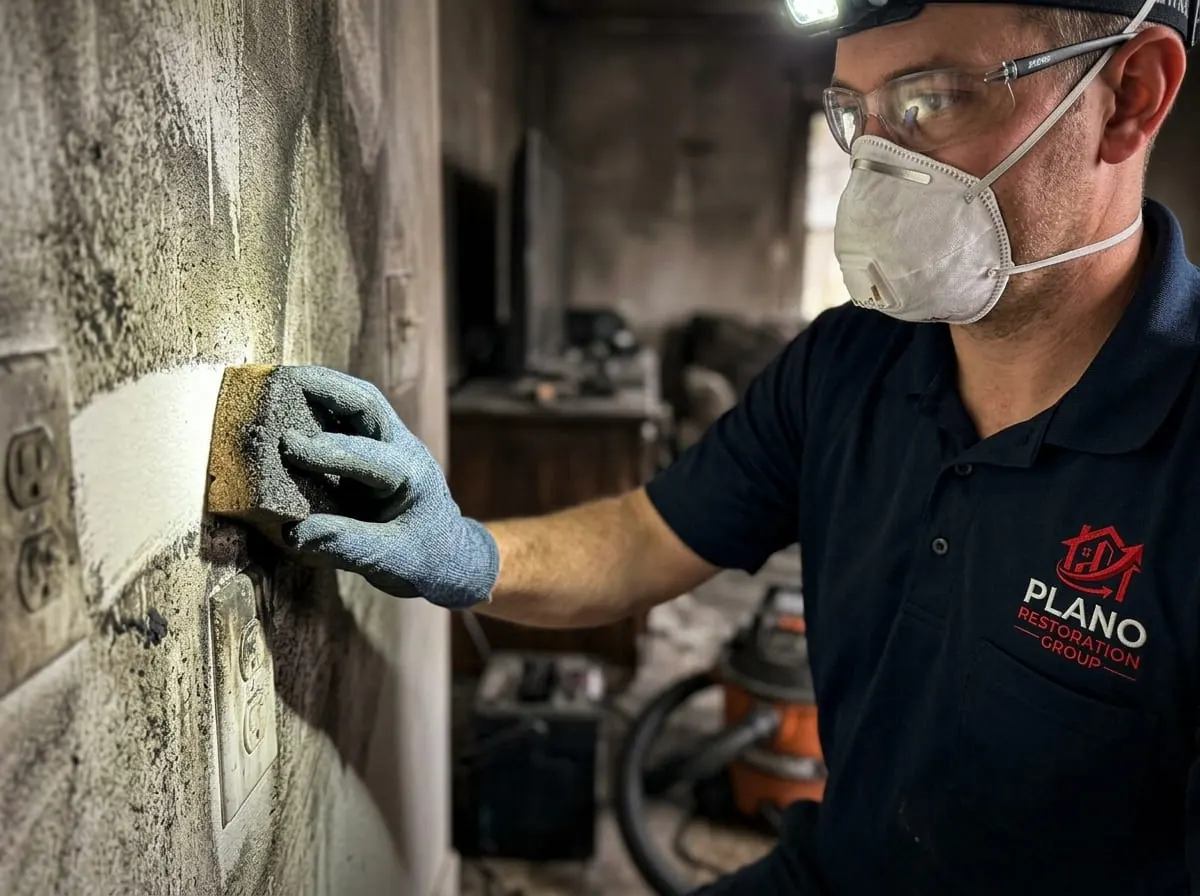
Step 1: Emergency Contact and Securing the Property
The process typically begins with a call to get a restoration crew dispatched, ideally as soon as it's safe to do so, since the first 24 to 48 hours are critical for limiting soot and smoke damage. On arrival, crews focus first on securing the property, boarding up broken windows or damaged doors, and tarping any roof openings to keep weather and pests out while the rest of the assessment and work is planned.
Step 2: Inspection and Damage Assessment
Before any cleanup begins, the restoration crews we dispatch conduct a room-by-room inspection to document the extent of fire, smoke, and water damage. This includes identifying which materials and contents are salvageable, checking for smoke penetration in rooms away from the fire's origin, and taking moisture readings if firefighting water was used. This assessment forms the basis of the scope of work and the documentation used for your insurance claim.
Step 3: Water Removal and Structural Drying
If firefighting efforts introduced water into the home, extraction and drying equipment typically go in early to prevent secondary damage like mold growth. This step often runs alongside the early stages of debris removal, since leaving water sitting for even a day or two in a humid Texas climate can create a second problem on top of the fire damage.
Step 4: Soot and Smoke Cleanup
With the property secured and water addressed, cleanup crews move through the home removing charred debris and cleaning soot from salvageable surfaces using methods matched to each surface type. This stage also typically includes cleaning or inspecting HVAC systems, since smoke and soot circulated through ductwork need to be addressed to prevent them from spreading back through the home.
Step 5: Deodorization and Final Repairs
Once surfaces are cleaned, deodorization treatments such as thermal fogging, ozone, or hydroxyl generators target smoke odor that has settled into porous materials. From there, any necessary reconstruction, replacing drywall, flooring, cabinetry, or other damaged materials, moves the home from restored to livable again. The timeline for this final phase depends heavily on how much rebuilding is needed.
Frequently Asked Questions
How long does the full fire damage restoration process take?
It varies significantly based on the extent of the damage. A contained, single-room fire with minimal structural damage might be resolved in one to two weeks, while extensive damage requiring major reconstruction can take several months from initial cleanup through final repairs.
Do I need to move out of my house during restoration?
It depends on the severity of the damage and whether utilities like electricity and water are functional. Homes with significant structural damage, active safety hazards, or extensive odor throughout are often not livable during the early stages of restoration.
Is the same company responsible for both cleanup and rebuilding repairs?
This varies by provider. Some restoration companies handle both remediation and reconstruction in-house, while others coordinate with separate contractors for structural rebuilding. It's worth asking early in the process how the two phases will be handled for your project.
What should I do in the first hour after a house fire?
Once the fire department confirms it's safe, avoid touching soot-covered surfaces, don't run HVAC systems that may have drawn in smoke, and contact a restoration provider to begin securing the property. Documenting damage with photos before anything is moved or cleaned also helps your insurance claim.
Will I need separate companies for water damage and fire damage?
Usually not. Fire damage restoration typically includes water extraction and structural drying as part of the overall process, since firefighting water is a direct result of the fire itself rather than a separate incident.
Know what to expect, and get the process started today. Call (469) 277-7924 for fire damage restoration crews serving Plano, TX.
Call (469) 277-7924