
Mold After Water Damage
A burst pipe, a slab leak, or storm water that got into the house can leave behind more than damaged drywall and flooring. If materials stay wet for more than a day or two, mold growth is a realistic possibility, and it's one of the most common follow-up calls we get after a water damage event in Plano.
Plano Restoration Group connects you 24/7 with licensed, insured local partners who handle both water damage restoration and mold remediation, so whether you're calling right after a leak or weeks later after noticing a smell, we can route you to a crew equipped to assess and address it.
Call (469) 277-7924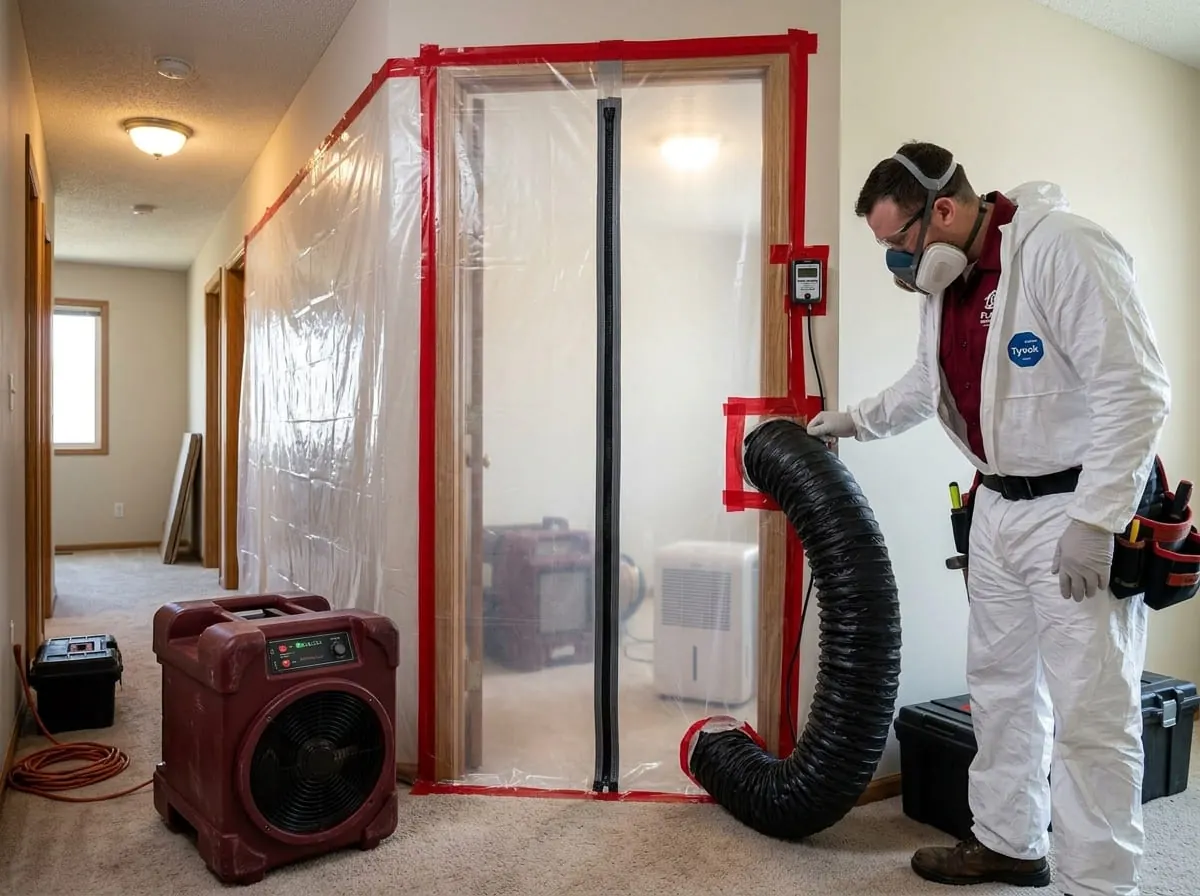
How Quickly Mold Can Develop After Water Damage
Mold spores are present in nearly every home's environment already, waiting for the right conditions. Once materials like drywall, carpet padding, or wood framing stay wet, visible growth can begin within roughly 24 to 48 hours in favorable conditions, and North Texas humidity during the warmer months can accelerate that timeline. This is a big part of why fast water extraction and drying matter, not just for the immediate damage but for what happens in the days after.
Common Plano Scenarios Where This Comes Up
Slab leaks are a particularly common lead-in to mold calls in this market, since expansive clay soil movement and aging plumbing in 1980s–90s-era homes make them a genuinely frequent water damage cause here — and slab leaks can run silently under flooring for a long time before detection, giving mold a head start. Storm and hail damage that lets water into an attic or through a window is another common path, especially during Plano's spring severe weather season. A water heater or appliance leak that goes undiscovered over a weekend can produce the same result in a laundry room or kitchen.
Why Drying Alone Isn't Always Enough
Fast water extraction and structural drying reduce the odds of mold significantly, but they don't eliminate the risk entirely, especially in areas that are hard to fully dry — inside wall cavities, under cabinetry, or beneath flooring that was removed and reinstalled. If drying equipment was removed before moisture levels in these hidden areas were confirmed to be back to normal, or if there was a delay of more than a day or two before drying began, a follow-up mold inspection is a reasonable step even if no growth is visible yet.
How Our Partners Handle Combined Water and Mold Jobs
When a job involves both recent water damage and mold, the licensed, insured restoration and remediation crews we dispatch typically address them together: extracting standing water, setting up structural drying equipment, and simultaneously assessing for and containing any mold growth already present. Materials that were wet long enough to support mold growth — carpet pad, insulation, drywall in some cases — are more likely to be removed and replaced rather than dried in place, since dried mold-affected material doesn't stop being a mold problem.
Why Addressing This Promptly Matters
The gap between a water event and mold discovery is exactly when the problem is smallest and easiest to resolve. Every additional day materials stay wet increases both the area affected and the likelihood that materials will need full replacement rather than treatment. If you had a leak, flood, or storm intrusion recently — even one you thought you handled — a quick mold check is a low-effort way to catch a developing problem early.
Frequently Asked Questions
I dried everything myself after a leak — could mold still develop?
It's possible, particularly if moisture reached areas that are hard to dry thoroughly without professional equipment, such as inside wall cavities, under flooring, or beneath cabinetry. If it's been more than a couple of days since the leak or if you notice any musty smell, a mold inspection can confirm whether everything actually dried out.
How long after water damage does mold typically show up?
In favorable conditions, visible growth can begin within roughly 24 to 48 hours on wet materials, though it varies based on humidity, temperature, and the material involved. This is why prompt water extraction and drying are treated as time-sensitive rather than something to schedule for later in the week.
Does my insurance cover mold that resulted from a covered water damage claim?
Coverage depends on your specific policy and the circumstances of the original water damage claim. This is a question for your insurance carrier or adjuster, though documenting the timeline and the remediation work performed can be helpful if you need to discuss coverage.
Can I just treat the area myself if I catch it early?
For very minor, easily accessible surface mold caught immediately, some homeowners handle it themselves. Once water damage has been significant enough to soak drywall, carpet padding, or subfloor, professional assessment is generally worthwhile to confirm the moisture source is fully resolved and that growth hasn't spread to hidden areas.
Do I need a separate company for water damage and mold, or can one team handle both?
Many of the licensed, insured partners in our network handle both water damage restoration and mold remediation, which can simplify a combined job. When you call, we route you to a partner equipped to handle what you're describing, whether that's one issue or both together.
Had a leak, flood, or storm intrusion recently and now worried about mold? Call Plano Restoration Group 24/7 at (469) 277-7924 to connect with a licensed, insured local partner.
Call (469) 277-7924