
Crawl Space Mold Removal
Most homes in Plano are built slab-on-grade, so a true crawl space is the exception rather than the norm in this market — but they do exist, particularly in some older neighborhoods, additions, or homes built with a raised pier-and-beam foundation section. When a home does have a crawl space, it's an easy area to forget about, and that makes it a common place for moisture and mold to go unnoticed for a long time.
If your Plano home has a crawl space and you've noticed a musty smell coming from vents or flooring, or you've had it inspected and found visible growth, Plano Restoration Group connects you 24/7 with licensed, insured local partners who handle crawl space mold removal.
Call (469) 277-7924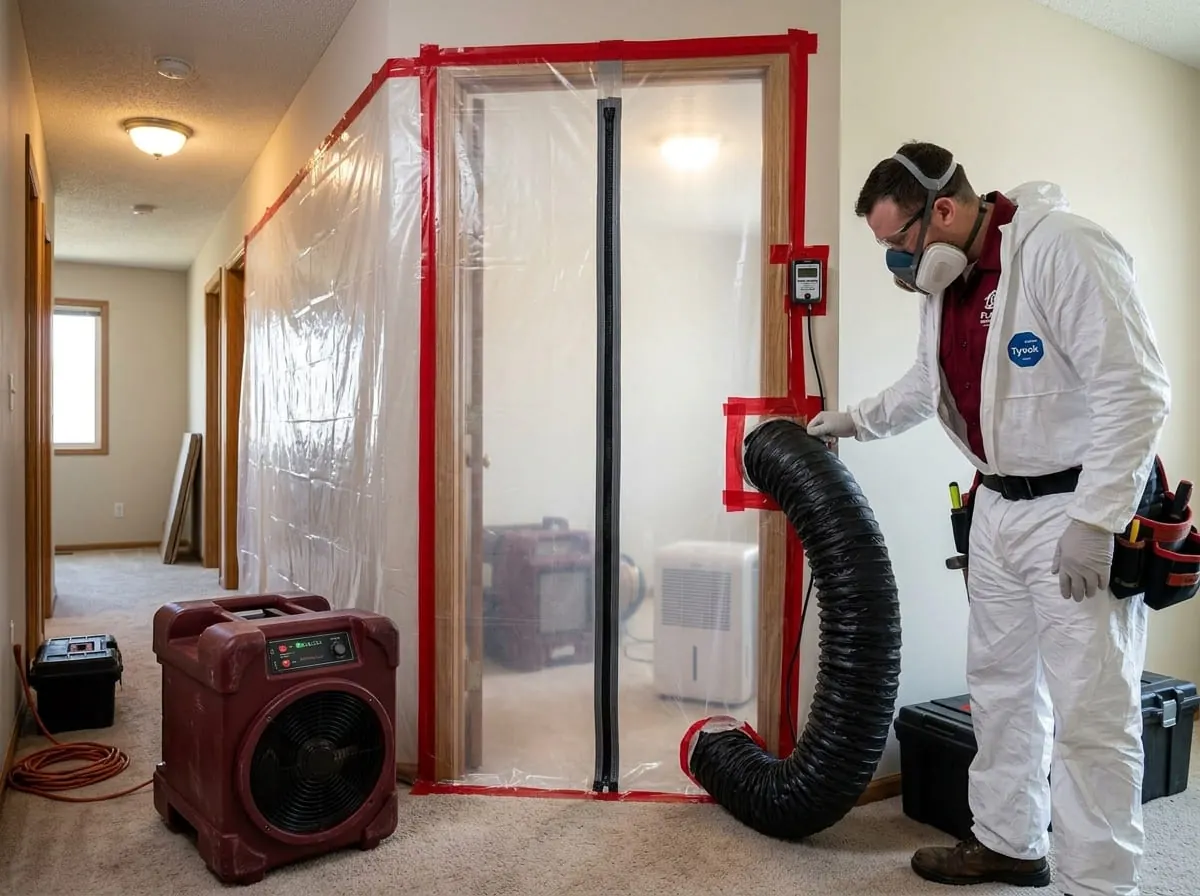
Why Crawl Spaces Are Prone to Moisture
Crawl spaces sit close to the ground, and in North Texas that means exposure to soil moisture, poor drainage after heavy rain, and humid outside air that can condense on cooler surfaces underneath the home. Plumbing lines often run through crawl spaces as well, so a slow supply line leak can go undetected for an extended period in a space most homeowners rarely enter. Without a vapor barrier or adequate ventilation, ambient humidity alone can be enough to support mold growth on floor joists and subfloor over time.
Signs of a Crawl Space Mold Problem
Because most people don't visit their crawl space regularly, warning signs often show up elsewhere in the home first: a musty odor noticeable near floor vents or in a room directly above the crawl space, a persistent damp smell that doesn't trace to any other obvious source, or visible staining on subfloor if you do look underneath. A home inspection during a real estate transaction is another common way crawl space mold gets discovered.
How Crawl Space Mold Removal Works
Given the tight, low-clearance conditions typical of a crawl space, this work requires specialized handling. The licensed, insured mold remediation crews we dispatch typically begin by identifying the moisture source — a plumbing leak, poor grading, insufficient ventilation, or missing vapor barrier — and then set up containment appropriate to the space before removing or treating affected material. Because crawl space subfloor and joists are structural, more extensive growth sometimes requires coordination with a structural or foundation specialist alongside the mold remediation itself.
Preventing Moisture From Returning
Addressing existing mold is only part of the fix in a crawl space; ongoing moisture control matters just as much. This often includes installing or repairing a vapor barrier across the ground of the crawl space, ensuring vents are clear and functioning (or, in some cases, converting to a sealed, conditioned crawl space approach), and correcting any exterior drainage or grading issues that direct water toward the foundation. The partner working on your crawl space can flag which of these apply to your home.
Why Crawl Space Mold Shouldn't Be Left Alone
Because crawl spaces are rarely inspected casually, mold there can spread across a significant area of subfloor and joists before anyone notices — and by the time an odor is strong enough to detect from inside the house, the underlying growth is often already well established. Given the structural role of the wood involved, ongoing moisture exposure is also worth addressing for the health of the framing itself, not just the mold growing on it. If your Plano home has a crawl space and you suspect an issue, getting it inspected sooner rather than later keeps the job more manageable.
Frequently Asked Questions
Do most Plano homes have crawl spaces?
No. The large majority of homes in Plano are built slab-on-grade, so crawl spaces are uncommon here compared to some other parts of the country. They do show up in certain older homes, additions, or homes with a raised pier-and-beam section, which is why this page exists for the Plano homeowners who do have one.
How can I tell if I even have a crawl space?
If your home has vents low along the exterior foundation wall and an access hatch (often in a closet, exterior wall, or garage floor), you likely have a crawl space rather than a slab foundation. If you're not sure, a home inspector or the partner who responds to your call can help confirm.
Is crawl space mold removal more expensive than other areas of the house?
It can be, due to the specialized access and handling required in a low-clearance space, and because structural wood components are often involved. The partner who inspects your crawl space can give you a specific quote based on the extent of the problem.
What is a vapor barrier and do I need one?
A vapor barrier is a layer of plastic sheeting installed across the ground of a crawl space to block soil moisture from evaporating into the space above it. If your crawl space doesn't have one, or the existing one is damaged, it's a common recommendation for preventing future mold growth.
Can mold in a crawl space affect the rest of my home?
Air from a crawl space can migrate into living areas above it through gaps, ductwork, or general air movement in the home, which is why a musty smell inside the house sometimes traces back to a crawl space issue below. This is one reason it's worth having a suspected crawl space problem inspected rather than ignored.
Have a crawl space in your Plano home with a musty smell or visible mold? Call Plano Restoration Group 24/7 at (469) 277-7924 to connect with a licensed, insured local partner.
Call (469) 277-7924