
Mold Inspection & Testing
A musty smell with no visible growth, a discolored ceiling tile, or a recent slab leak that never quite dried out completely — these are the moments homeowners usually call about mold inspection. Plano Restoration Group connects you 24/7 with licensed, insured mold inspection partners serving Plano and the surrounding Collin and Dallas County suburbs.
A proper inspection does more than confirm mold is present. It identifies the moisture source feeding it, maps how far growth may have spread behind walls or under flooring, and gives you the information needed to plan remediation — or documentation for an insurance claim or real estate transaction.
Call (469) 277-7924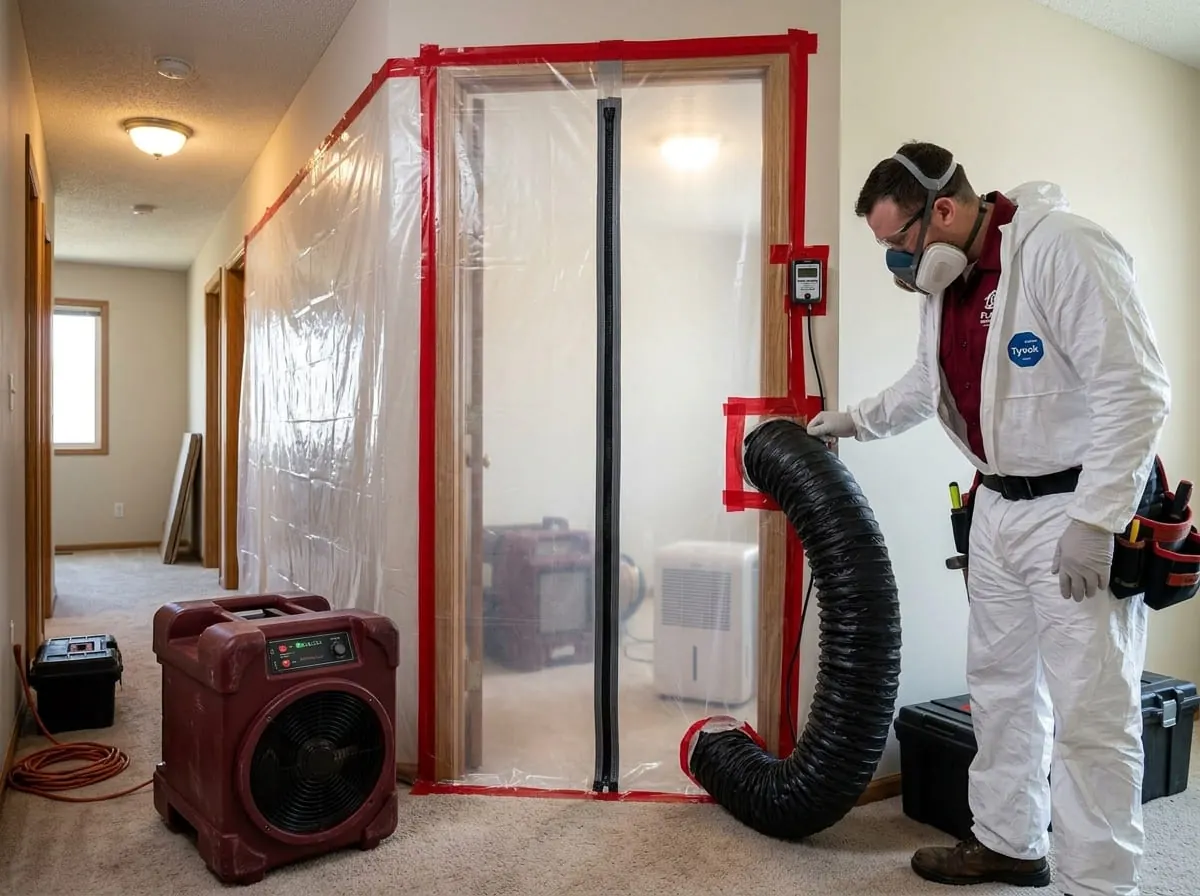
When a Mold Inspection Makes Sense
Inspection is worth calling about any time you notice a musty odor without an obvious cause, discoloration on drywall, ceiling tiles, or baseboards, or a recent history of water intrusion in the home — a slab leak, a roof leak after a hailstorm, or an appliance that overflowed. It's also common before buying or selling a home, particularly older Plano properties from the 1970s–90s building boom where original plumbing and HVAC components may be reaching the end of their service life.
What an Inspection Typically Involves
Inspectors dispatched through our network generally start with a visual walkthrough of the areas of concern, followed by moisture readings using meters to check drywall, subfloor, and framing for elevated moisture content that wouldn't be visible otherwise. In North Texas, this often means checking around exterior walls, under sinks, near HVAC condensate lines, and in attics where roof leaks or poor ventilation can trap humidity. Thermal imaging may also be used to spot temperature differentials that indicate moisture behind a surface.
When Lab Testing Is Recommended
Not every inspection requires air or surface sampling sent to a lab. Testing is most useful when there's a musty smell but no visible growth, when you need documentation for insurance or a real estate deal, or when a homeowner wants confirmation of mold species before deciding on a remediation scope. Sampling generally involves air quality tests, surface swabs, or both, with results returned by an independent lab. The inspection partner can walk you through whether testing adds value for your specific situation.
How Inspection Connects to Remediation
An inspection isn't the end of the process — it's the diagnostic step that shapes everything after it. The licensed, insured mold remediation crews we dispatch use inspection findings to scope containment, determine which materials need removal versus treatment, and confirm the moisture source has been corrected before remediation is considered complete. Skipping this step and jumping straight to cleanup often means missing part of the problem, particularly with mold that has spread inside wall cavities.
Why Prompt Inspection Matters
Mold spreads as long as moisture is present, and hidden sources like slab leaks or AC condensation issues can go undetected for weeks in a North Texas summer. The longer growth goes unaddressed, the more material may need to be removed and the higher the eventual remediation cost tends to be. Getting an inspection scheduled quickly after you notice a warning sign gives you the clearest picture of what you're dealing with while the affected area is still contained.
Frequently Asked Questions
How much does a mold inspection cost in Plano?
Inspection costs vary based on the size of the area being assessed and whether lab testing is included. The partner who responds to your call can provide a specific quote after understanding the scope of what you need inspected.
Can I just do a home mold test kit instead?
Store-bought test kits can detect mold spores in the air, but they generally can't tell you where moisture is entering the home, how far growth has spread, or what species is present with the same reliability as a professional inspection using moisture meters and lab-analyzed samples. For anything beyond a passing curiosity, a professional inspection gives a much more actionable picture.
Will inspection damage my walls or floors?
Standard visual inspection and moisture meter readings are non-invasive. In some cases, a small area of drywall or a section of baseboard may need to be opened to check a suspected problem area more closely, but the inspector will explain this before proceeding.
How long does a mold inspection take?
A typical single-area inspection can often be completed within an hour or two. Larger homes, whole-house inspections, or cases requiring lab samples may take longer, and lab results for any samples collected usually take a few business days to come back.
Do I need an inspection if I already see visible mold?
Even with visible growth, an inspection helps confirm how far the problem extends beyond what's visible and identifies the moisture source that needs to be corrected. That information shapes the remediation plan, so it's rarely a wasted step even when mold is obvious.
Not sure if what you're seeing is mold, or how far it's spread? Call Plano Restoration Group 24/7 at (469) 277-7924 to get connected with a licensed local mold inspection partner.
Call (469) 277-7924