
Sewage Backup Cleanup
A sewage backup is one of the most unpleasant and genuinely hazardous water damage events a homeowner can face. Beyond the mess, contaminated water carries bacteria and other pathogens that make this a job for trained crews with the right protective equipment and disinfection process — not a DIY cleanup.
Plano Restoration Group connects homeowners with local restoration partners experienced in sewage backup cleanup, from initial containment through full disinfection and drying.
Call (469) 277-7924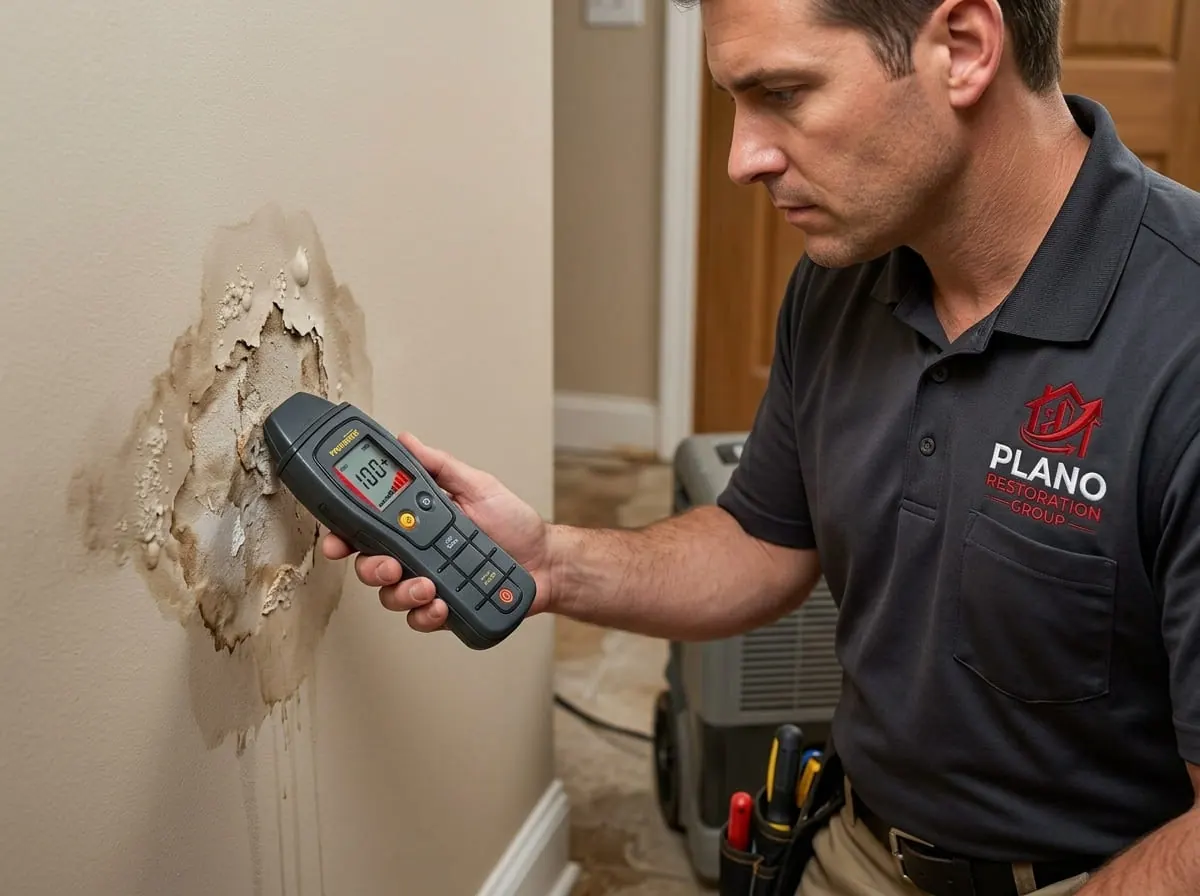
What Causes Sewage Backups in Plano
Tree root intrusion into aging sewer lines, clogs from grease or debris, and municipal system overload during heavy rainfall are all common causes. Plano's expansive clay soil can also shift sewer lateral lines over time, cracking joints and creating openings for roots or blockages. Heavy spring storms that overwhelm the sewer system can push backups into multiple homes in the same area at once.
Why This Isn't a Cleanup You Handle Yourself
Sewage water is classified as contaminated (often called black water) and can carry bacteria, viruses, and parasites. Proper cleanup requires personal protective equipment, EPA-registered disinfectants, and safe disposal of anything porous that absorbed contaminated water, such as carpet, carpet padding, and some drywall. Trained crews follow specific protocols to make sure the area is actually safe again, not just dry.
The Cleanup Process
The licensed, insured crews we dispatch typically begin by removing standing sewage water and any contaminated materials that can't be salvaged. Remaining surfaces are cleaned and disinfected, then the space is dried and monitored the same way any other water damage would be, with an added focus on air quality and full sanitation before the area is considered restored.
Why Fast Response Matters Even More Here
Contaminated water spreads bacteria the longer it sits, and porous materials that stay wet with sewage water for more than a short window typically can't be saved at all. Getting a crew on site quickly limits how much has to be removed and reduces the health risk to anyone in the home in the meantime.
Frequently Asked Questions
Is it safe to stay in the house during a sewage backup?
It depends on how much area is affected and how contained it is. It's best to keep people and pets away from the affected area and any standing water until a professional has assessed the situation.
What items usually can't be saved after a sewage backup?
Carpet, carpet padding, and porous items that were in direct contact with contaminated water typically need to be discarded rather than cleaned, since bacteria can remain embedded even after the surface looks dry.
Will homeowners insurance cover a sewage backup?
Many standard policies exclude sewer backup unless a specific rider or endorsement was added. It's worth checking your policy directly, and a restoration partner can help document the damage regardless of coverage.
How long does sewage cleanup usually take?
A contained backup in one bathroom might be resolved in a couple of days, while a larger event affecting multiple rooms or a utility area can take longer due to the extra disinfection steps involved.
Can a sewage backup lead to mold?
Yes, if moisture isn't fully dried out afterward. That's why disinfection and structural drying both matter — cleaning the surface contamination without fully drying the area leaves conditions where mold can still take hold.
Sewage backups need fast, trained response — call (469) 277-7924 for 24/7 dispatch.
Call (469) 277-7924