
Is Black Mold Dangerous? What Plano Homeowners Should Know
Black mold gets a lot of attention, and understandably so, but there's also a lot of confusion about what it actually is and how concerned homeowners should be. Here's a clear, factual look at what black mold is, why it grows, and how to think about it if you find it in your home. This article is educational only and isn't medical advice, so if you have health concerns related to mold exposure, talk to a doctor.
What 'Black Mold' Actually Refers To
'Black mold' is a general term often used to describe mold that appears dark in color, and it's commonly associated with a specific species called Stachybotrys chartarum. However, several different types of mold can appear black or very dark, so color alone isn't a reliable way to identify which species you're dealing with. Only laboratory testing can confirm the specific type of mold present.
Why Black Mold Grows
Like all mold, black mold needs moisture to grow, along with an organic food source like wood, drywall, or paper-based materials, and it thrives in areas with limited airflow. It's commonly found in places with a history of water damage, persistent leaks, or high humidity, conditions that unfortunately aren't unusual in homes that have experienced an unresolved plumbing leak or slab leak.
General Health Considerations
Mold exposure affects people differently, and sensitivity varies widely from person to person. Some people report symptoms like nasal or sinus congestion, coughing, throat irritation, or eye irritation when exposed to mold, particularly people with existing allergies, asthma, or respiratory sensitivities. Individual reactions and risk factors vary, and this article is not a substitute for medical guidance, so anyone with health concerns related to mold exposure should consult a doctor rather than relying on general information online.
Why Identification Matters Less Than You Might Think
From a practical standpoint, most mold remediation professionals treat visible mold growth similarly regardless of the exact species, since the priority is removing the mold safely and, just as importantly, fixing the moisture source that allowed it to grow in the first place. Spending significant time or money trying to identify the exact species is often less useful than addressing the underlying moisture problem quickly.
Why DIY Removal Has Limits
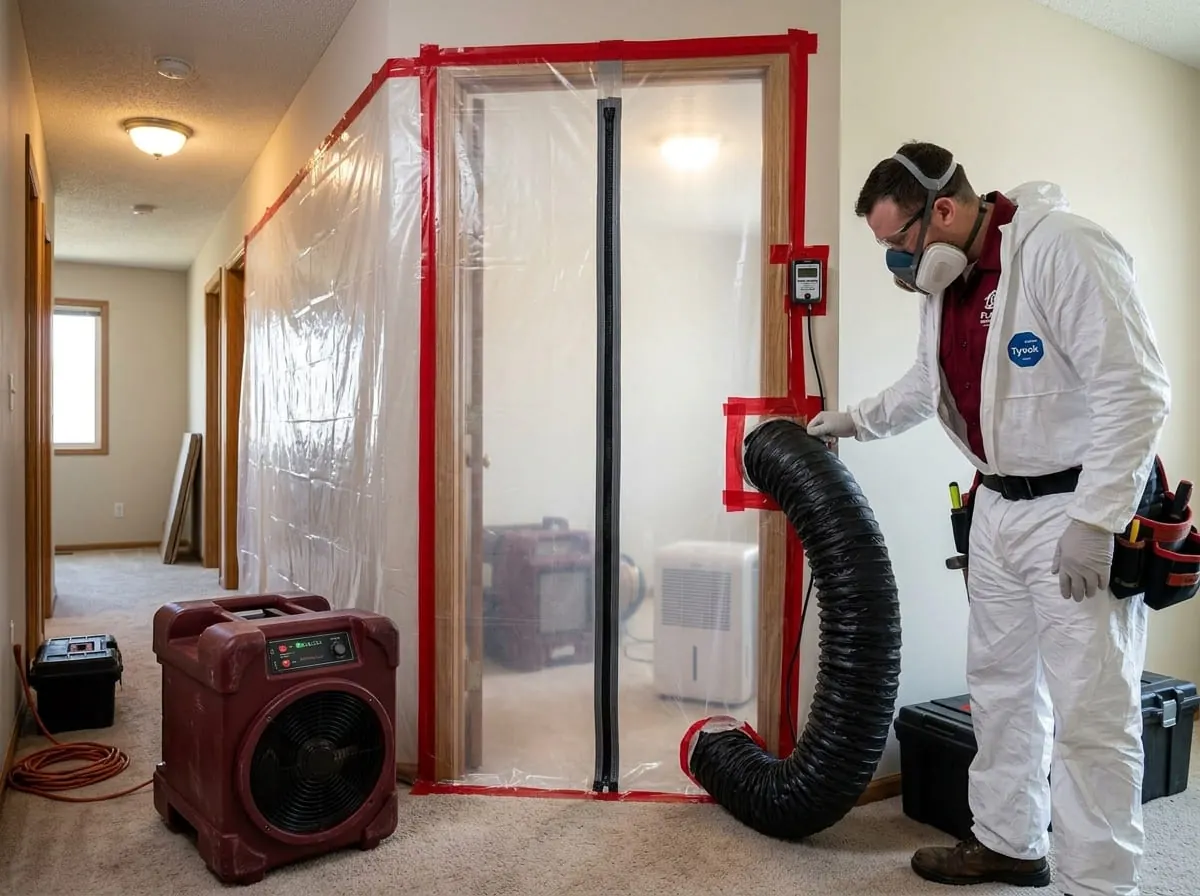
Small, isolated mold spots on non-porous surfaces are sometimes manageable for homeowners to clean, but larger areas of mold growth, mold hidden behind walls or under flooring, or mold following significant water damage typically call for a professional assessment. Disturbing mold without proper containment can release spores into the air and potentially spread the problem to previously unaffected areas of the home.
The Underlying Issue Is Almost Always Moisture
Whatever type of mold you're dealing with, the real fix is addressing the moisture source, whether that's a slab leak, a slow plumbing drip, poor bathroom ventilation, or past water damage that wasn't fully dried out. Remediating the mold without correcting the moisture problem generally means the mold returns.
Key Takeaways
- Color alone doesn't confirm the type of mold — lab testing is needed for species identification
- Black mold, like all mold, needs moisture and an organic surface to grow
- Health reactions to mold exposure vary by person — consult a doctor with any health concerns
- Fixing the underlying moisture source matters more than identifying the exact mold species
- Larger or hidden mold growth generally calls for professional assessment rather than DIY cleanup