
How to Shut Off Your Water During an Emergency
When a pipe bursts or a supply line fails, the first minutes matter more than almost anything else you'll do. Knowing exactly where your shutoff valves are, and how to use them, before an emergency happens can be the difference between a minor cleanup and thousands of dollars in water damage.
Find Your Main Shutoff Valve Before You Need It
Every home has a main water shutoff valve that controls all water entering the house. In many North Texas homes it's located near the front of the property, close to where the water line enters from the street, often in a utility area, garage, or an exterior box near the curb. In some homes it's inside near the water heater or where the main line enters the foundation. Take a few minutes now, before any emergency, to locate yours and confirm it turns freely. A valve that's stuck or corroded is useless in a crisis, so if yours doesn't turn easily, consider having it serviced ahead of time.
How to Shut Off the Main Valve
Most main shutoff valves are either a gate valve, which has a round wheel-style handle you turn clockwise until it stops, or a ball valve, which has a lever handle you turn a quarter turn until it's perpendicular to the pipe. Turn firmly but don't force a valve that feels seized. If you can't get it to close, or it doesn't stop the water, close the valve at your water meter instead, which is typically located in a meter box near the curb or sidewalk and can usually be shut off with a meter key or a pair of pliers.
Individual Shutoff Valves for Sinks, Toilets, and Appliances
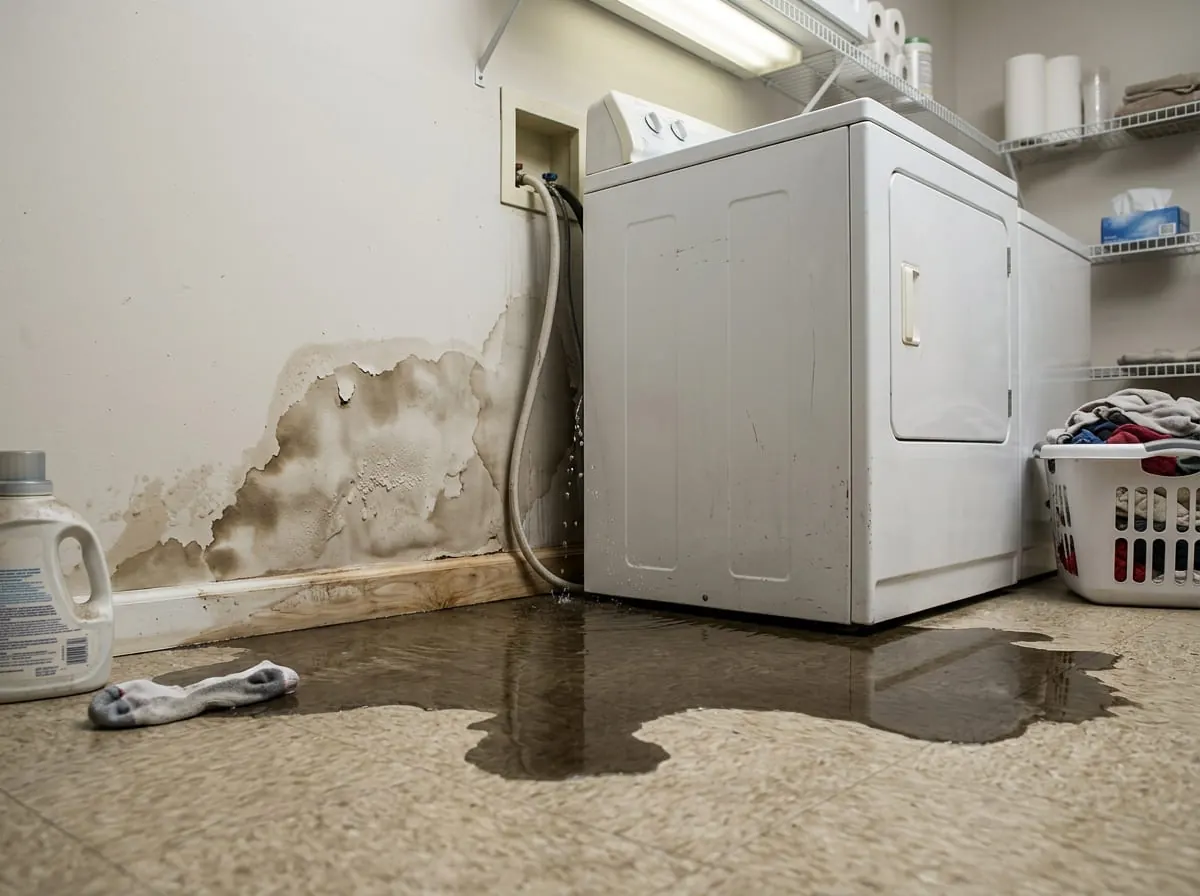
You don't always need to cut water to the whole house. Most sinks and toilets have small shutoff valves on the supply lines underneath or behind them, usually a small oval or round handle you turn clockwise to close. Washing machines typically have shutoff valves on the wall behind them, and water heaters have a valve on the cold water inlet line. Learning where these are located means you can isolate a single leaking fixture, like a running toilet or a leaking dishwasher line, without shutting off water to the entire house.
What to Do After You Shut Off the Water
Once the water is off, open a faucet, ideally one at a low point in the house, to relieve pressure in the lines and drain any remaining water. If the leak is coming from an area you can safely access, try to identify the source. If electrical outlets, panels, or fixtures are near standing water, avoid the area and don't touch anything electrical until the power to that area has been shut off at the breaker. Photograph the damage for insurance purposes before you start moving anything, if it's safe to do so.
When Shutting Off the Water Isn't Enough
Shutting off the water stops the source, but it doesn't address water that has already soaked into flooring, drywall, cabinetry, or insulation. Water that sits for more than 24 to 48 hours significantly increases the risk of mold growth and structural damage, so getting a professional assessment quickly matters even after you've stopped the leak.
Key Takeaways
- Locate your home's main shutoff valve now, before an emergency, and confirm it turns freely
- If the main valve won't close, shut off water at the meter box near the curb
- Individual shutoff valves under sinks, toilets, and appliances let you isolate a single leak
- Avoid electrical outlets, panels, or fixtures near standing water
- Stopping the leak doesn't stop the damage already done — fast drying still matters