
How Long Does Water Damage Restoration Take?
One of the first questions homeowners ask after water damage is how long it will take to get their home back to normal. The honest answer is that it depends heavily on the severity of the damage, how long the water sat before it was addressed, and what materials were affected. Here's a general breakdown of the typical stages and timelines.
Assessment and Water Extraction: Hours to a Day
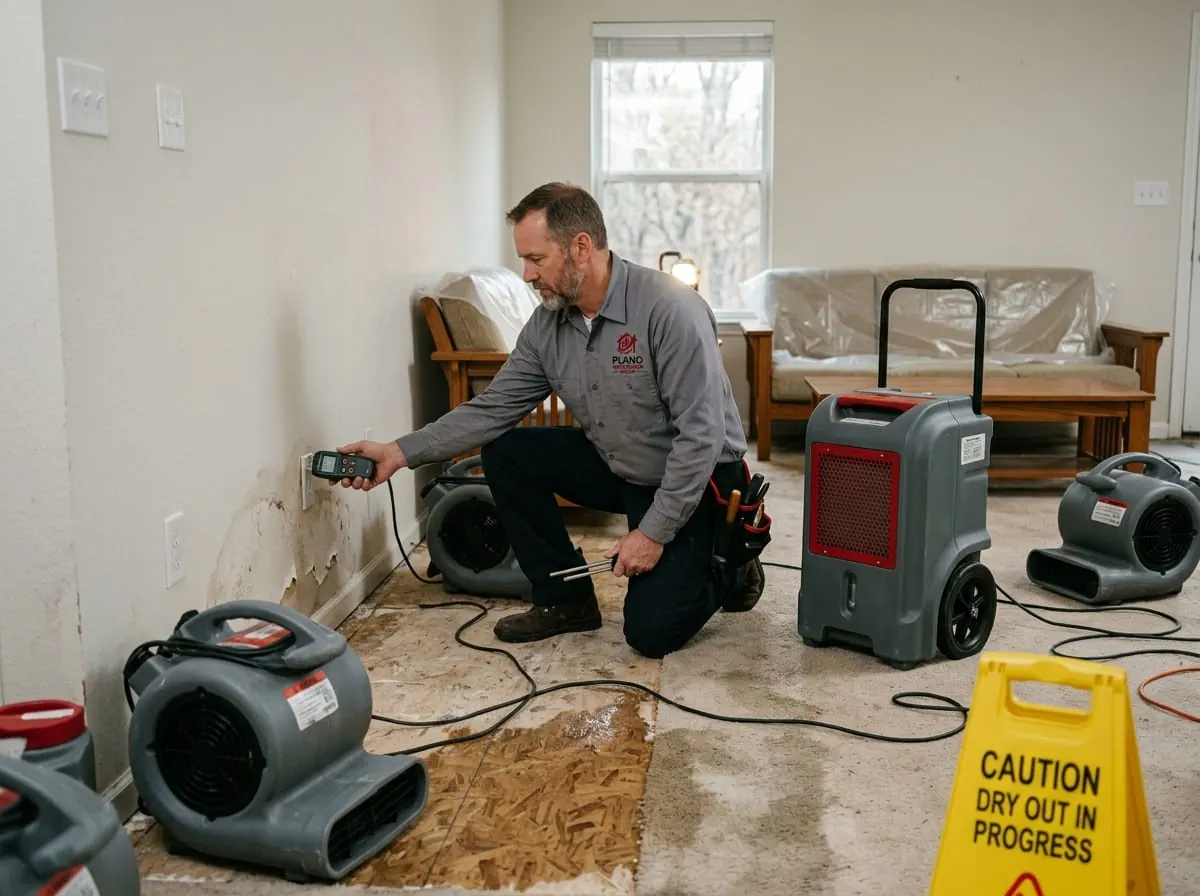
The first stage is usually the fastest. A technician inspects the affected area, uses moisture meters to map how far water has traveled, and removes standing water with pumps and extraction equipment. For most residential water damage, this initial stage can typically be completed within several hours to a day, depending on the volume of water involved.
Structural Drying: Typically 3 to 5 Days
Once standing water is removed, industrial air movers and dehumidifiers are set up to dry out remaining moisture in walls, flooring, subflooring, and framing. This stage generally takes around three to five days for moderate water damage, though it can run longer if water penetrated deeply into dense materials like hardwood or concrete, or if humidity levels in the home are working against the drying process. Drying equipment is usually left running continuously and monitored with follow-up moisture readings until materials reach an acceptable dryness level.
Demolition of Unsalvageable Materials
Materials that absorbed too much water to dry safely, such as saturated drywall, insulation, or swollen baseboards, typically need to be removed. This can happen early in the process, sometimes concurrent with the drying stage, or as its own step once it's clear which materials can't be saved. Demolition timing depends on the extent of the damage and is often the point where the true scope of the repair becomes clear.
Cleaning and Sanitizing
Once the area is dry, surfaces and any salvageable belongings are cleaned and treated to address bacteria, especially if the water involved was from a source like a sewage backup or floodwater rather than clean water. This stage is generally quicker than drying, often completed within a day for most residential situations, but it's an important step for indoor air quality and preventing mold growth.
Repairs and Rebuild: Days to Several Weeks
The final stage, replacing drywall, flooring, trim, cabinetry, and paint, varies the most in length. A single affected room with minor demolition might be rebuilt within a few days to a week. A larger loss involving multiple rooms, flooring replacement throughout a level of the home, or structural repairs can take several weeks. This stage is essentially a renovation project and follows a similar timeline to any comparable remodeling work.
What Affects the Overall Timeline
The biggest factors in total restoration time are how quickly the water was addressed after the initial event, the category and volume of water involved, how many materials need to be replaced versus dried in place, and how quickly insurance approvals move if a claim is involved. A leak caught and addressed within hours is a very different project than water that sat undetected for days or weeks, which is one more reason fast response matters.
Key Takeaways
- Water extraction typically takes hours to a day, depending on the volume of water
- Structural drying generally takes around three to five days but can run longer for deep saturation
- Demolition of unsalvageable materials and sanitizing add additional time depending on damage extent
- Full repairs and rebuild can take anywhere from a few days to several weeks depending on scope
- How quickly water is addressed after the initial event has a major impact on the total timeline