
Does Homeowners Insurance Cover Water Damage?
This is one of the most common questions homeowners ask after a leak, and the honest answer is: it depends on your specific policy and the cause of the damage. This article gives a general, educational overview of how water damage coverage typically works, but it is not legal or financial advice, and you should always confirm the specific terms of your own policy with your insurance provider or agent.
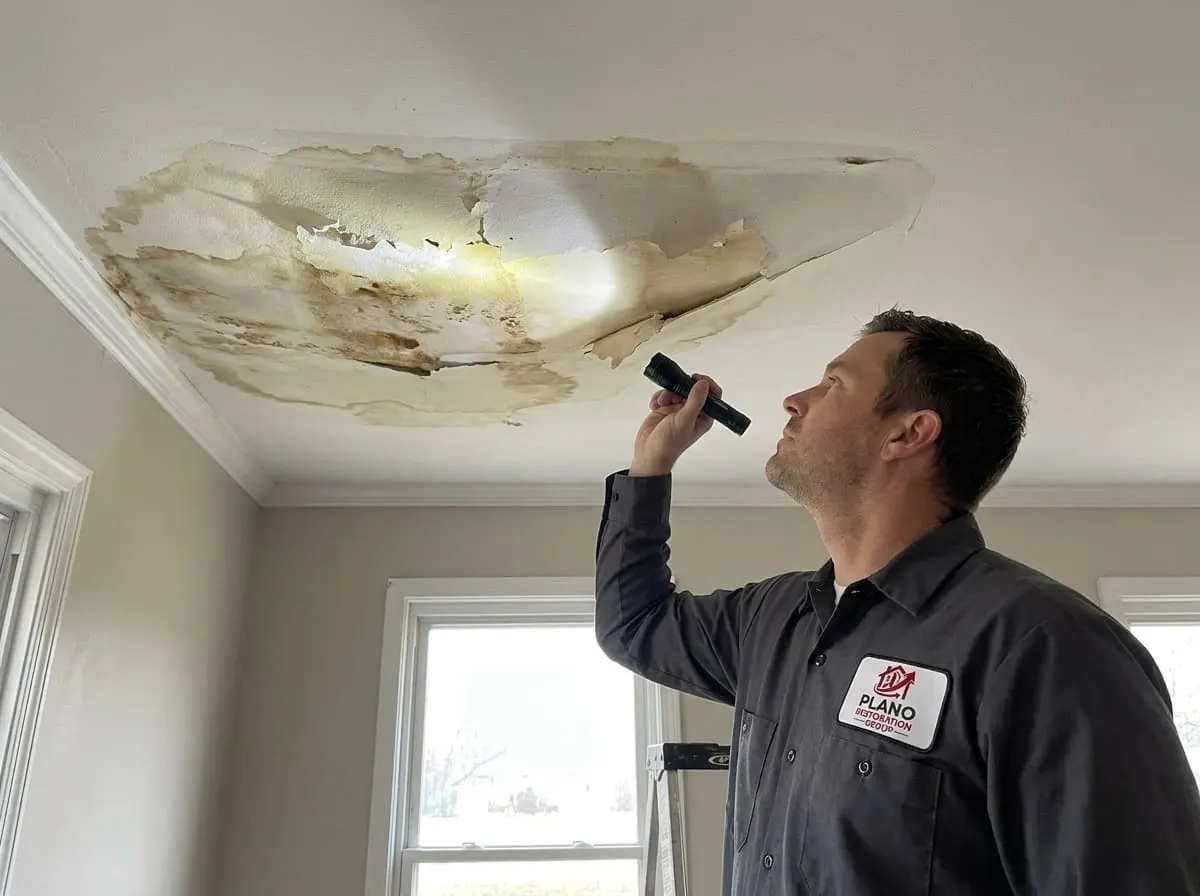
The General Rule: Sudden and Accidental
Most standard homeowners insurance policies use some version of a 'sudden and accidental' standard for water damage coverage. In plain terms, this generally means damage from an event that happened quickly and unexpectedly, like a pipe that suddenly bursts, a washing machine hose that fails, or a water heater that ruptures, is more likely to be covered than damage that developed slowly over time. Every policy has its own specific language and exclusions, so this is a general pattern, not a guarantee for any individual policy.
Damage That's Commonly Excluded: Gradual Leaks and Neglect
Water damage that results from a slow, ongoing leak, or from a maintenance issue the homeowner reasonably should have caught and fixed, is commonly excluded under many standard policies. Examples that often fall into this category include a slow drip under a sink that went unnoticed for months, or damage that resulted from a known issue that was never repaired. Insurers generally distinguish between an unforeseeable sudden failure and damage that resulted from a lack of maintenance, though the specifics vary by carrier and policy.
Flooding Is Usually Handled Separately
Standard homeowners insurance policies typically do not cover flooding, meaning water that enters your home from outside due to heavy rain, overflowing creeks, or storm runoff. Flood coverage is generally a separate policy, often through the National Flood Insurance Program or a private flood carrier. If your Plano property is near a creek or in a low-lying area, it's worth asking your insurance provider specifically about flood coverage, since it is not automatically part of most standard homeowners policies.
Slab Leaks Can Fall Into a Gray Area
Because slab leaks involve water lines under the foundation, coverage can depend heavily on your specific policy's language about the pipe itself versus the resulting damage. Some policies cover the cost to access and repair the pipe under specific circumstances, while others cover only the resulting water damage to the home and not the plumbing repair itself. This is an area where policy language varies significantly, so it's worth discussing directly with your insurance provider if you suspect a slab leak.
What Documentation Typically Helps a Claim
Regardless of the specific cause, insurers generally want clear documentation: photos and video of the damage taken as soon as possible, a description of when and how the damage was discovered, and, where relevant, evidence supporting that the cause was sudden rather than gradual. Keeping receipts for any emergency mitigation steps you take, like a plumber's shutoff visit, can also support a claim.
Why You Should Always Confirm With Your Provider
Every insurance policy is different, and coverage details, deductibles, exclusions, and endorsements vary by carrier, policy type, and state. Nothing in this article should be treated as a guarantee of coverage for your specific situation. The most reliable way to know what your policy covers is to read your policy documents and speak directly with your insurance company or agent about your specific circumstances.
Key Takeaways
- Most policies are more likely to cover sudden, accidental water damage than damage from a slow, ongoing leak
- Flooding from outside the home is typically excluded from standard homeowners policies and requires separate flood coverage
- Slab leak coverage varies significantly by policy — check your specific policy language
- Photo and video documentation taken as soon as damage is found generally strengthens a claim
- This article is general information only — confirm your specific coverage with your insurance provider